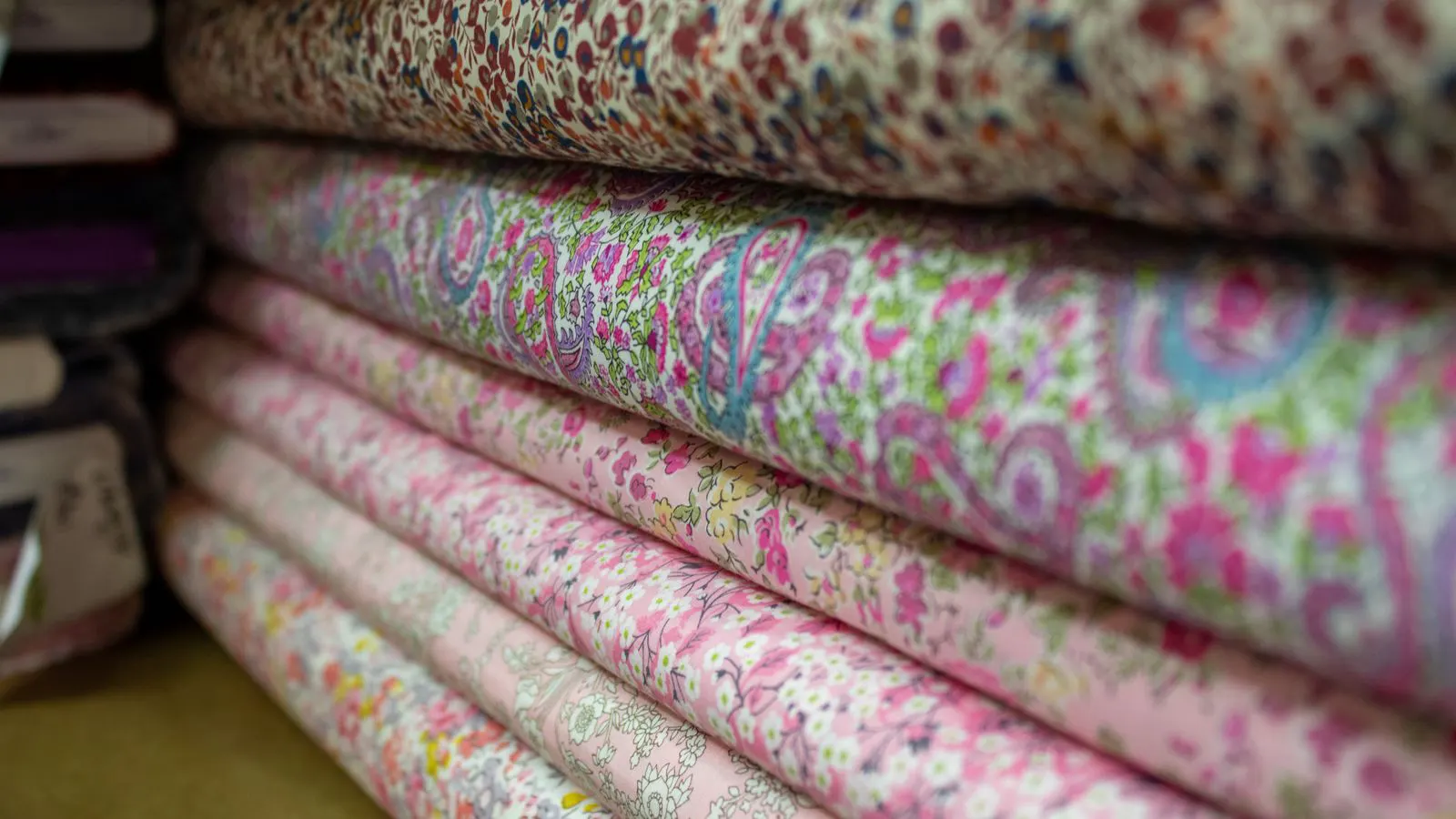
Fabrics & Thread Count
Cotton Fabric Cost Drivers and Supply Lead Times
Cotton fabric costs vary based on raw material quality, dyeing methods, thread count, and finishing treatments. Delivery times depend on mill capacity and supply chain
Specs, standards, and sourcing logic for textile buyers.
Buying home textiles requires matching material grades, weave structures, and certification requirements to end-market regulations. This site provides the technical benchmarks buyers need to evaluate supplier proposals, audit quality, and structure cost models.
Readers find clear comparisons of thread counts, shrinkage tolerances, and bath textile absorbency. The content focuses on the variables that affect cost, lead time, and product performance in real production runs.
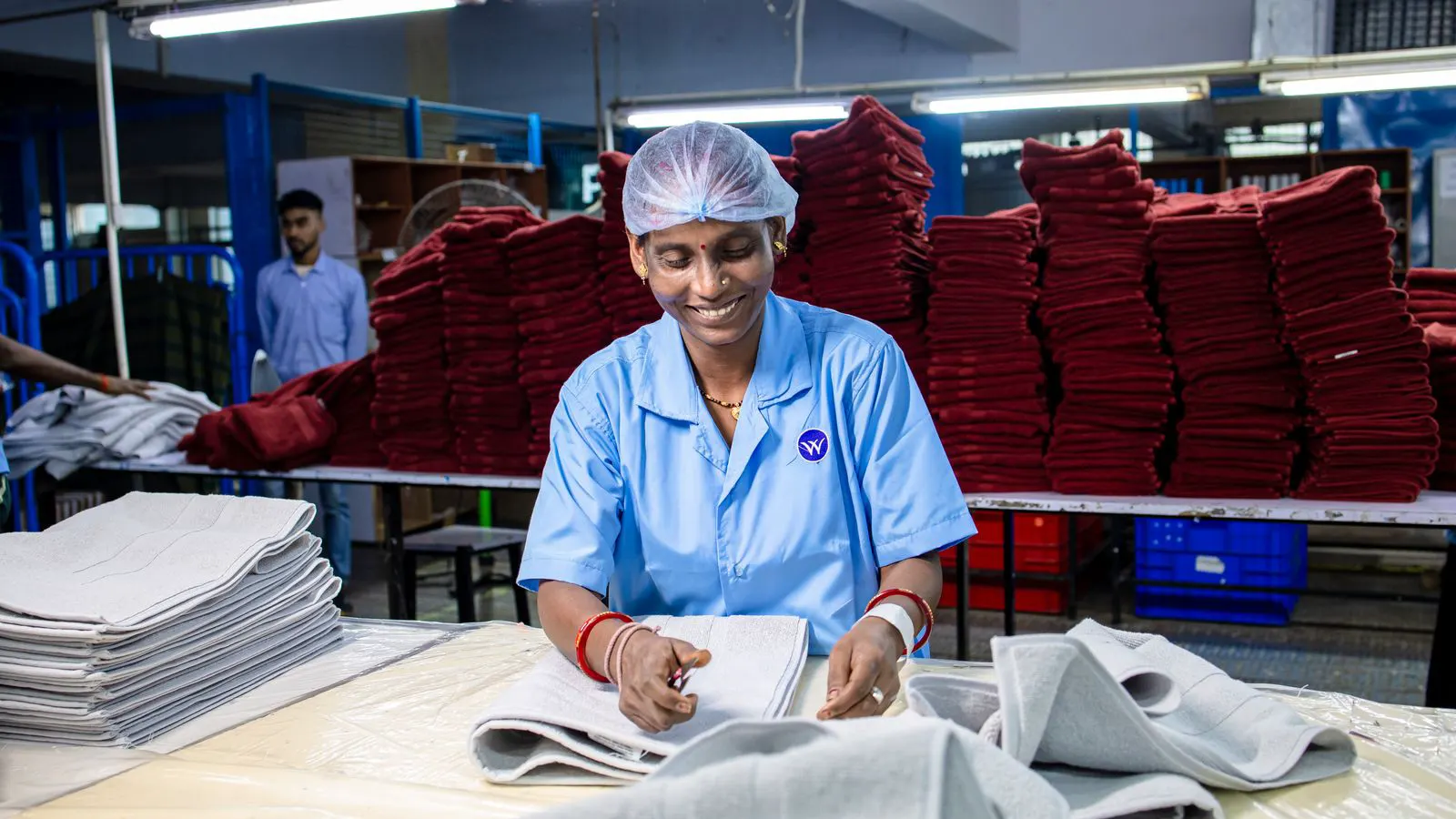
Start with the stage of the sourcing process you are in.
Explore practical guidance on duvets, sheets, and mattress covers for professional buyers and textile engineers.
Find technical details on absorbency, weight, and construction for bath towels, waffle, and other bath textiles.
Learn about fabric selection, light filtering, and durability for curtains, drapes, and upholstery textiles.
Understand cotton, linen, and blended fabrics, thread count, and weave types used in home textiles.
Cotton fabric costs vary based on raw material quality, dyeing methods, thread count, and finishing treatments. Delivery times depend on mill capacity and supply chain

Selecting duvet filling for high-volume hotel programs requires balancing thermal performance, durability, and cost. Evaluate fill power for natural down and loft for

Waffle weave towel absorbency depends on loop structure and weight. This guide explains how construction balances quick drying against initial water uptake. It covers
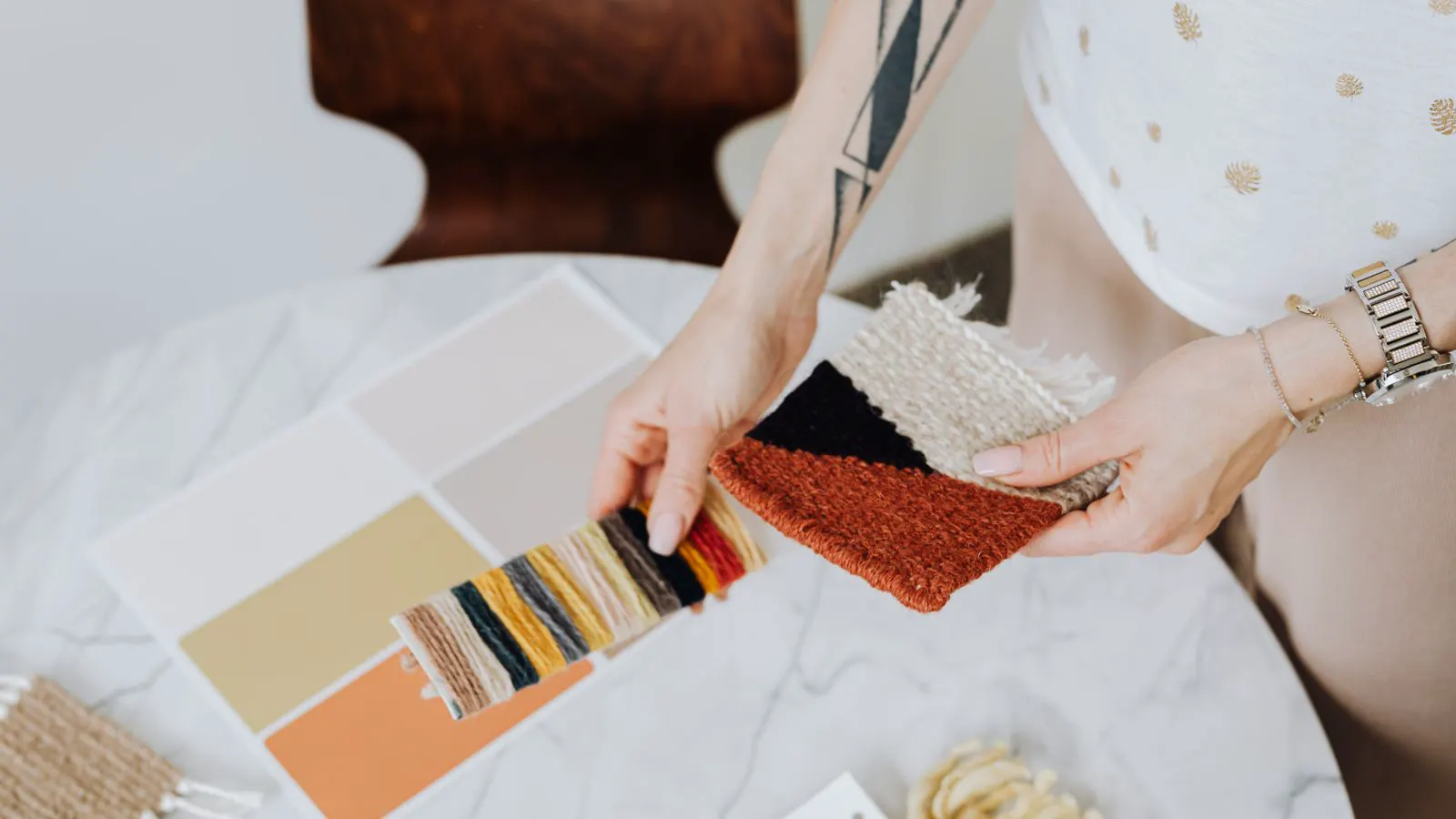
Cotton offers a softer, more controlled drape ideal for traditional or modern neutral spaces. Linen provides a textured, relaxed fall that suits organic and minimalist
Request a third-party lab report that measures the warp and weft thread density per inch. Cross-reference the report against the supplier's internal quality control logs to ensure the sample tested matches the bulk production.
Requirements vary by destination market. Common standards include Oeko-Tex for chemical safety and fire resistance labels for commercial or hospitality use. Always check the specific regulations of your target country before placing an order.
Higher thread counts generally increase material cost and may improve hand feel, but they do not automatically mean better durability. A tightly woven 200 count cotton percale can outlast a loosely woven 300 count sateen if the fiber quality is superior.
Industry practice typically allows for 4 to 6 percent shrinkage after washing. Specify this in your technical data sheet and request the supplier to provide shrinkage test results from a recent production lot.
Evaluate the minimum order quantity against your production run size and storage capacity. Lower MOQs often result in higher per-unit costs due to setup fees, so calculate the total landed cost rather than just the fabric price.
Samples are produced for approval and may use different dye lots or weave settings than the bulk order. Always require a pre-production sample from the actual production line to verify color, weight, and dimensions before finalizing the contract.