Cotton Fabric Cost Drivers and Supply Lead Times
Cotton fabric costs vary based on raw material quality, dyeing methods, thread count, and finishing treatments. Delivery times depend on mill capacity and supply chain stability. A clear RFQ helps buyers secure accurate quotes and manage production schedules effectively.
- Raw material grade and thread count are the primary determinants of base fabric cost.
- Dyeing and finishing steps add variable costs and extend production schedules.
- Clear RFQ specifications reduce quote variances and prevent supply chain delays.
- Comparing quotes requires standardizing fabric parameters and delivery terms.
- Monitoring supplier capacity and logistics routes helps predict actual lead times.
What drives the base price of cotton fabric?
Cotton fabric pricing starts with the raw fiber. Buyers must distinguish between standard grades and premium grades before analyzing mill margins. Standard cotton covers most mid-market applications. Premium cotton offers higher strength, softer hand feel, and better color acceptance. The difference in fiber quality affects the raw material cost directly.
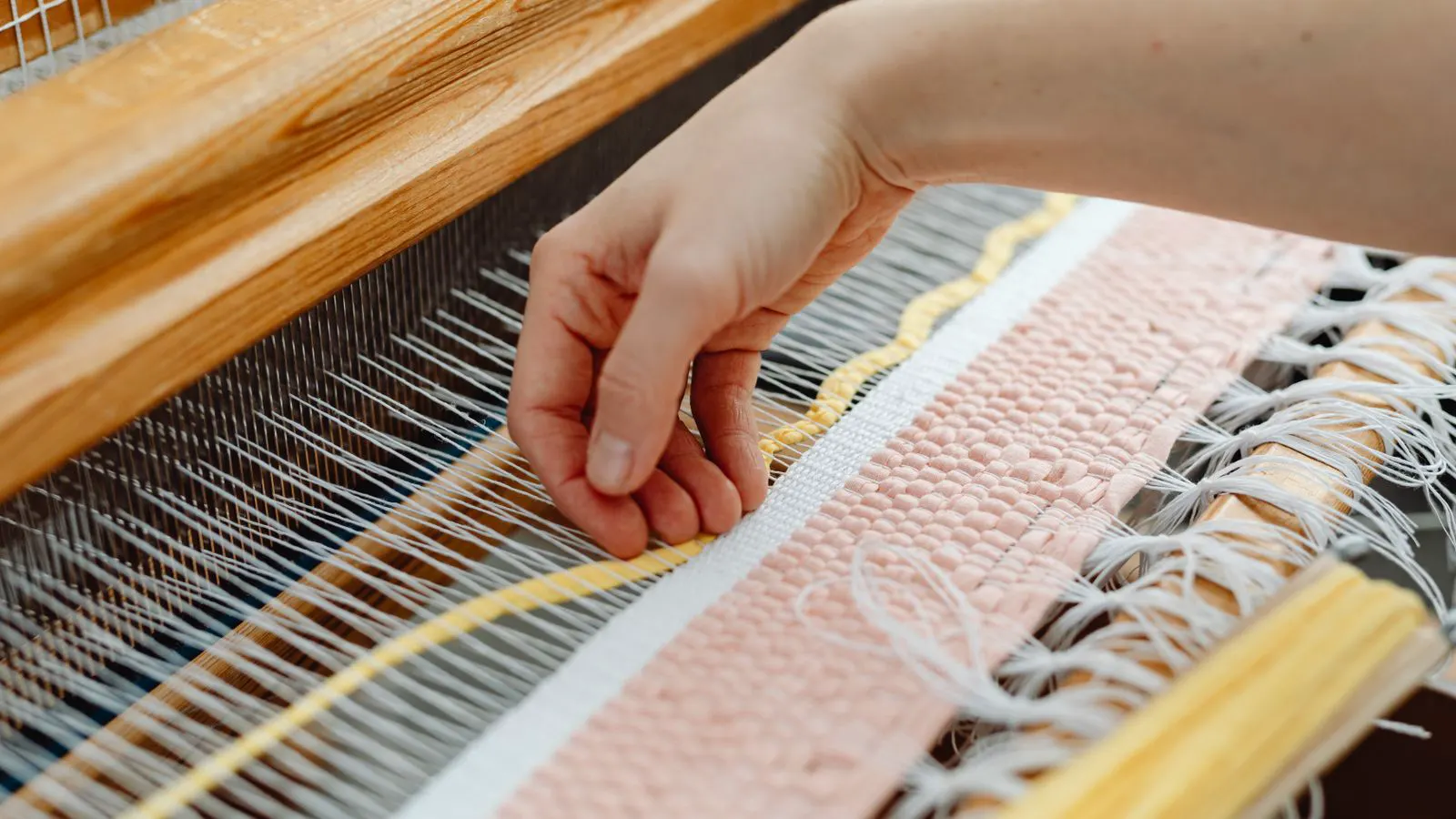
Thread count is the next major variable. Higher thread counts require more yarn and longer weaving time. A standard bedding fabric uses a lower thread count for cost efficiency. Premium hotel linens use higher thread counts for durability and softness. The weaving density determines the yardage output per hour. Slower weaving reduces the mill’s throughput and increases the cost per unit of fabric.
Woven structure also changes the price. Plain weave is the fastest to produce. Twill and sateen structures require more complex loom settings. These structures take longer to weave and often require different yarns. The structural choice impacts both the material cost and the production speed.
How do dyeing and finishing affect cost and time?
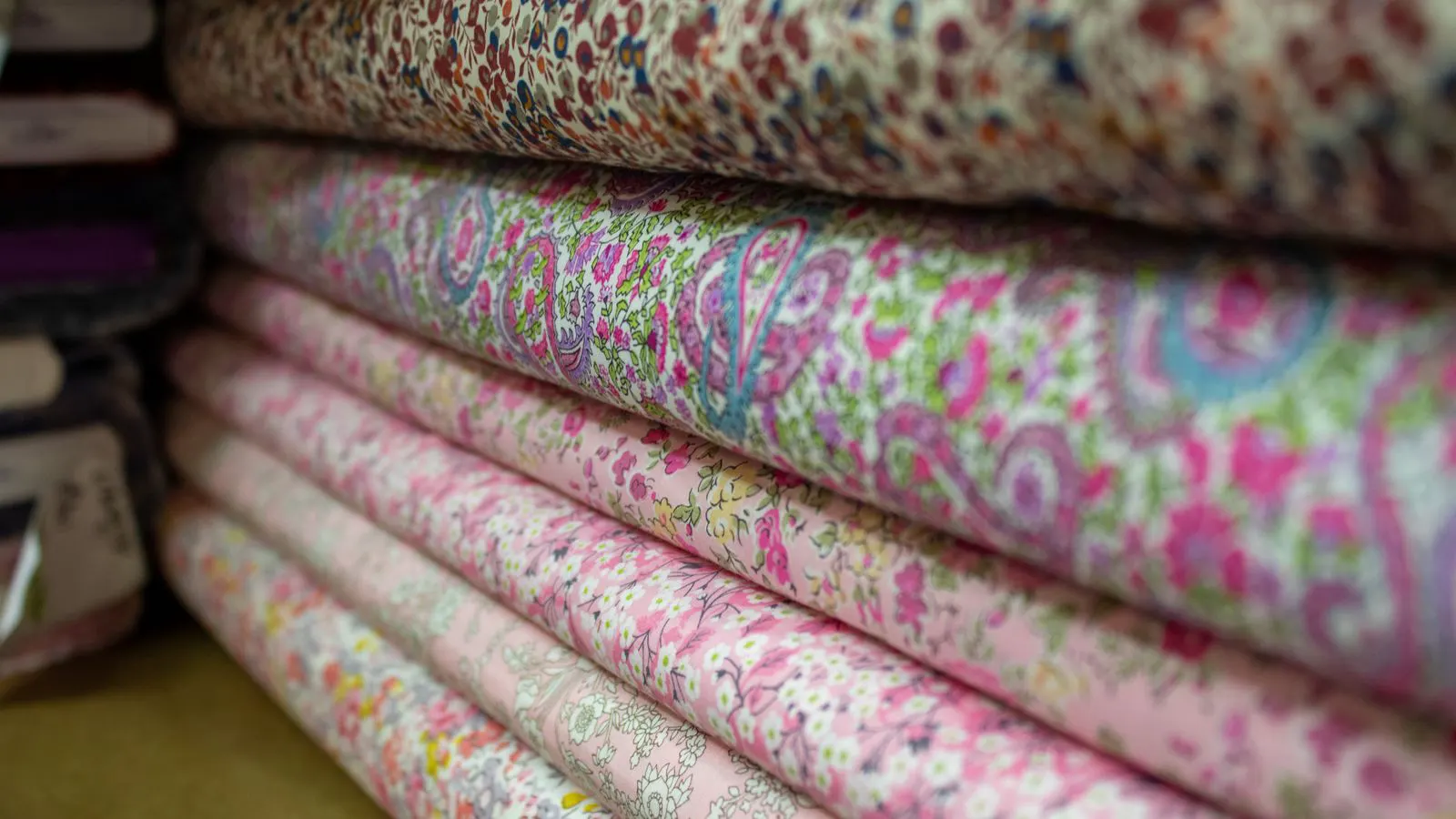
Dyeing adds a significant layer of cost and schedule complexity. Reactive dyes offer better colorfastness but require longer curing times. Direct dyes are faster but may fade under heavy washing. The choice of dye class depends on the end use. A kitchen towel needs high scrub resistance. A bedsheet needs softness and good color retention.
Finishing treatments further alter the price. Sizing helps the fabric handle the loom. Softening agents improve the hand feel. Wrinkle-resistant treatments require special chemicals and heat. Each treatment adds a processing step. Each step adds to the total cost and extends the lead time.
The sequence of operations matters. Some mills dye before weaving. Others weave and then dye. Pre-dyed yarns allow for patterned fabrics. They also reduce waste. The production sequence affects the quality control points. More steps mean more opportunities for variation.
How do supply chain conditions impact lead times?
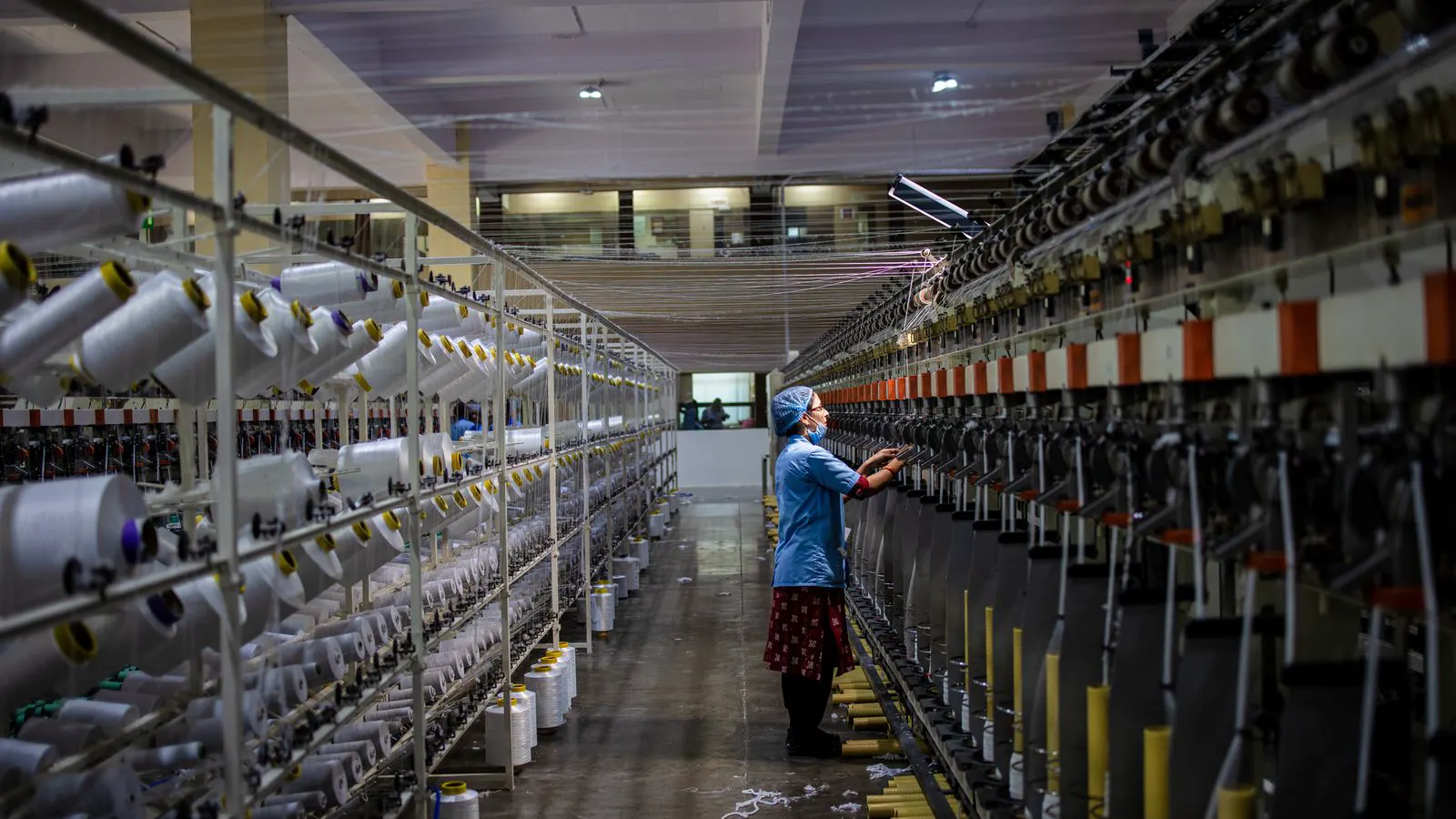
The supply chain for cotton fabric spans multiple regions. Raw cotton moves from growing regions to spinning mills. Spun yarn moves to weaving mills. Finished fabric moves to finishing plants and then to buyers. Each handoff adds time.
Logistics routes determine transit time. Sea freight is slower but cheaper. Air freight is faster but expensive. The distance between the mill and the buyer affects the delivery window. Customs clearance can add days or weeks. Documentation errors at the border stop shipments.
Supplier capacity is a critical factor. Mill utilization rates change seasonally. Peak seasons increase demand for certain fabric types. This can extend lead times. Off-peak periods offer shorter schedules. Buyers must monitor mill capacity before committing to large orders.
Raw material availability also affects scheduling. Cotton harvests influence yarn supply. If raw cotton is scarce, spinning capacity drops. This delays yarn delivery to weaving mills. The effect moves downstream to finished fabric.
How to write a clear RFQ for cotton fabric
A clear Request for Quotation reduces errors. It aligns the buyer’s needs with the mill’s production capabilities. Ambiguity in specifications leads to quotes that do not match the final product.
The RFQ must define the fabric type precisely. Include the weave structure, thread count, and yarn composition. Specify the fiber grade if it affects quality. State the finished width and weight. These details allow the mill to calculate material costs accurately.
Color requirements need specific instructions. Provide a Pantone code or a physical swatch. State the required colorfastness level. Indicate if the fabric will undergo industrial laundering. This information guides the mill in choosing the right dye and finish.
Delivery terms must be explicit. State the Incoterms used. Define the desired delivery date. Include any required documentation. Customs forms, certificates of origin, and test reports must be listed. Clear terms prevent disputes during shipment.
How to compare quotes fairly
Comparing quotes requires standardizing the parameters. Do not compare a plain weave to a twill weave without adjusting for the structural difference. Two mills may quote different prices for the same fabric. The difference may come from raw material sourcing or labor costs.
Check the volume discounts. Large orders often receive better pricing. Small orders may carry higher per-unit costs. The minimum order quantity affects the total budget. Negotiate based on the total cost, not just the unit price.
Evaluate the delivery schedule. A lower quote with a long lead time may not suit a tight production calendar. Factor in the cost of carrying inventory. A slightly higher price with a shorter delivery may save money in the end.
Review the payment terms. Net terms affect cash flow. Advance payments carry financial risk. Evaluate the supplier’s creditworthiness. Check their track record with other buyers. Stability matters as much as price.
How to manage lead time risks
Lead time management requires proactive planning. Build buffer time into the production schedule. Do not plan the first shipment to arrive exactly when the next order is needed. Weather disruptions, labor shortages, or port congestion can delay goods.
Monitor the supply chain closely. Track the status of raw material shipments. Check the mill’s production schedule. Follow the logistics progress. Early visibility helps in taking corrective action.
Maintain relationships with multiple suppliers. Relying on a single source creates vulnerability. Having backup options provides flexibility. It also helps in negotiating better terms. Competition among suppliers benefits the buyer.
What documents are needed for smooth delivery?
Accurate documentation prevents customs delays. The commercial invoice must match the packing list. The bill of lading must list the correct shipper and consignee. The certificate of origin states where the fabric was made.
Test reports verify quality. Fabric composition, colorfastness, and shrinkage are standard tests. Industrial laundering tests are needed for hotel linens. These reports prove the fabric meets the agreed specifications.
Customs brokers review the documents before shipment. Errors in the paperwork stop the container at the port. The buyer must ensure the supplier provides the correct information. A delayed shipment costs money and disrupts the production plan.
Key cost drivers and lead time factors
The table below summarizes the main factors that influence cotton fabric pricing and delivery schedules.
| Cost Driver | Impact on Price | Impact on Lead Time |
|---|---|---|
| Raw cotton grade | Higher grade increases cost | Sourcing delays can extend time |
| Thread count | Higher count raises material cost | Slower weaving extends production |
| Dyeing method | Reactive dyes cost more | Curing time adds to schedule |
| Finishing treatments | Additional chemicals increase cost | Extra processing steps add time |
| Fabric structure | Complex weaves require more labor | Complex loom setups slow output |
| Logistics route | Sea freight is cheaper | Sea freight takes longer |
Final considerations for professional buyers
Successful procurement of cotton fabric depends on precision and preparation. Every detail in the RFQ affects the final cost and delivery date. Vague instructions lead to expensive corrections. Clear specifications save time and money.
Buyers should treat the supply chain as a system. Each link from farm to mill must be monitored. A delay at the spinning stage affects the weaving stage. Understanding the flow of materials helps in planning.
Regular reviews of supplier performance are necessary. Track the quality of the fabric received. Measure the accuracy of delivery dates. Use this data to negotiate and improve future orders.
Consistency in ordering helps in securing favorable terms. Mills prefer stable customers. They allocate capacity to reliable partners. Building a long-term relationship with a mill ensures better service and predictable pricing.
The goal is not just to find the lowest price. The goal is to find the best value. Value includes quality, reliability, and delivery performance. A fabric that arrives late or fails quality checks does not save money. It creates problems.
Professional buyers focus on the total cost of ownership. They account for inventory holding costs, production downtime, and quality risks. They make decisions based on data, not just the unit price. This approach leads to better outcomes in the long run.
Understanding the mechanics of cotton fabric procurement gives buyers an edge. It allows them to ask the right questions. It helps them identify potential problems before they become costly. In a competitive market, knowledge is a strong asset.
Frequently asked questions
How does thread count affect cotton fabric cost?
Higher thread counts require more yarn and slower weaving. This increases the material cost and extends the production time.
What is the main factor behind lead time variations?
Supplier capacity and logistics routes are the primary drivers. Peak seasons and port congestion can significantly extend delivery schedules.
How should I specify dyeing requirements in an RFQ?
Provide specific color codes and state the required colorfastness level. Indicate if the fabric will undergo industrial washing.
Can I get a shorter lead time by paying more?
In some cases, yes. Priority production slots or air freight can reduce delivery times. This usually comes with a premium price.
What documents are most critical for customs clearance?
The commercial invoice, packing list, bill of lading, and certificate of origin are essential. Errors in these documents cause delays.