Linen Sourcing: Balancing Cost, Yield, and Lead Time

Linen sourcing requires balancing cost, yield, and lead time. Flax supply and raw material procurement need careful planning. Buyers should monitor shifts in input, logistics, and quality standards to secure stable bedding production.
- Monitor flax supply and raw material quality early in the season.
- Balance cost, yield, and lead time through flexible supplier agreements.
- Plan for shifts in logistics, labor, and regulatory requirements.
- Build long-term relationships with suppliers to improve procurement outcomes.
- Track production data to identify yield and cost patterns.
Why Linen Sourcing Differs From Other Bedding Fibers
Linen sourcing presents a different set of constraints than cotton or synthetic fibers. The raw material starts as a plant, moves through processing, and arrives at the mill as a specific grade of yarn or fabric. This chain creates distinct risk points for bedding manufacturers.
Cost, yield, and lead time are the three variables that define most procurement decisions. Each one moves independently, and each one interacts with the others. A cheaper flax lot may carry lower yield after weaving. A faster shipment may arrive with inconsistent twist or slub content. The buyer must manage all three at the same time.
The following shifts shape how buyers should plan their linen sourcing. Understanding these shifts helps teams make better decisions before they place orders.
Shift One: Flax Supply Varies by Season and Region
Flax is a seasonal crop. Planting, growing, harvest, retting, and processing all happen within a defined window. Suppliers in major growing regions follow predictable cycles, but weather can compress or extend each stage.
When flax supply tightens, raw material prices often rise. When harvest output exceeds expectations, buyers may access better terms. A stable flax supply chain depends on multiple regions producing at different times. Diversifying sourcing across at least two or three regions reduces exposure to a single bad harvest.
Buyers should map their supplier base by region and harvest window. If a supplier’s main crop arrives in late spring, their capacity may shift by early summer. If a second region harvests later, it can serve as a buffer. This mapping should be reviewed annually, not just when a problem occurs.
Shift Two: Yield Losses Accumulate Across Processing Stages
Yield in linen refers to the usable fiber length and quality after processing. Raw flax contains fibers of varying lengths, along with pith, bark, and other plant material. Each processing step removes non-fiber material and can break or contaminate the remaining fiber.
Retting determines how cleanly the fibers separate from the stalk. Too little retting leaves the pith attached, reducing usable length. Too much retting weakens the fiber, increasing breakage during carding and spinning. The result is a lot with lower yield than expected.
In weaving, short fibers create weak points that reduce fabric strength. For bedding, this matters because sheets and duvet covers experience repeated washing and mechanical stress. A fabric that passes initial inspection but fails at the third industrial wash cycle will create a quality problem downstream.
Buyers should track yield at each stage, not just at final fabric delivery. Request fiber length data from the mill. Ask for slub counts and breakage rates during spinning. These records reveal whether a low price reflects a good process or a risky one.
Shift Three: Lead Time Is More Than Shipping
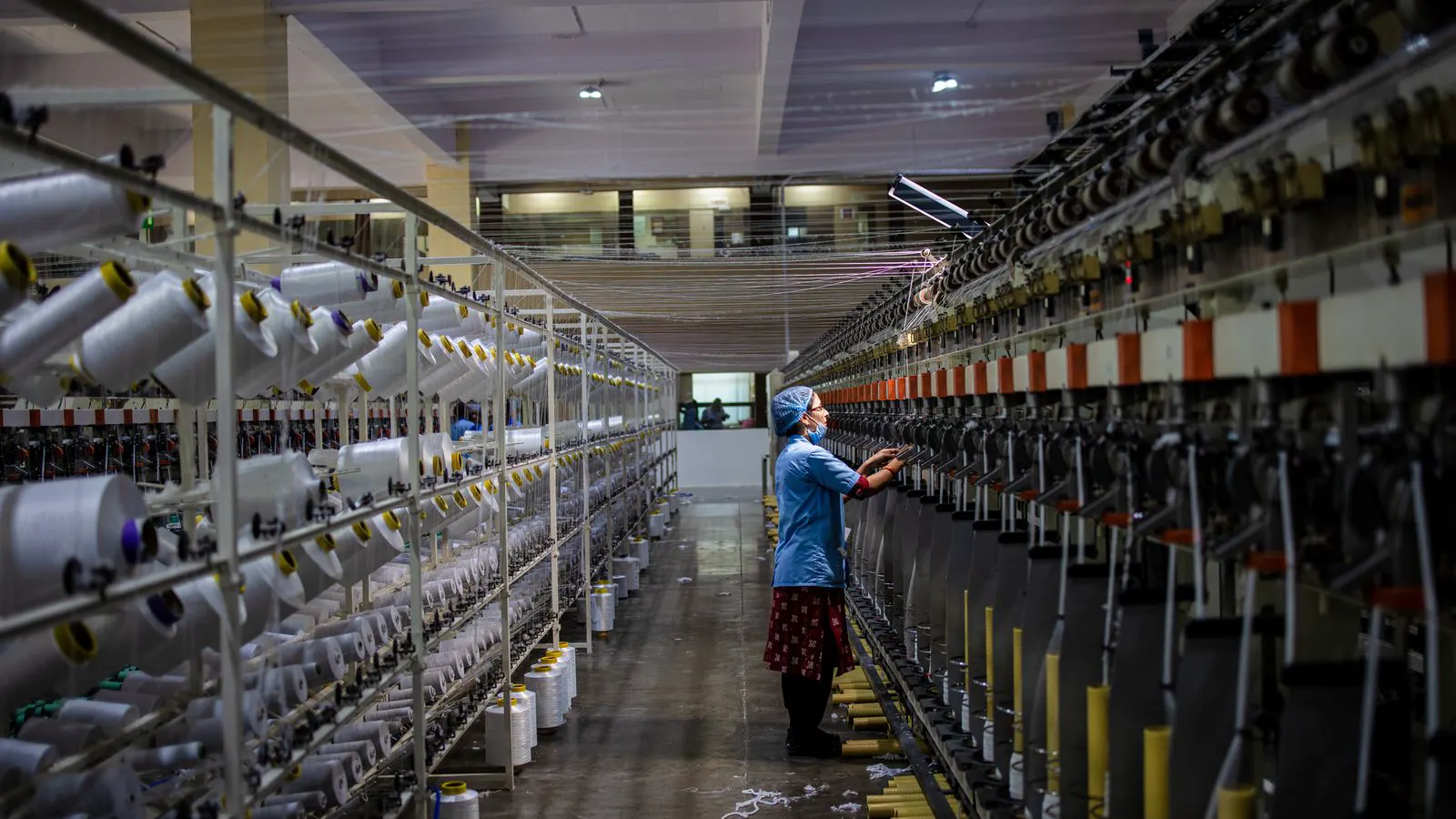
Lead time covers everything from raw flax to finished fabric on the buyer’s floor. Many teams focus on ocean freight or air freight duration, but the longer variables are upstream. Flax processing, spinning, weaving, and dyeing each require time, and each stage can be affected by demand.
A supplier may quote a 12-week lead time for a standard fabric. If the flax lot is small, the mill may blend it with other lots to meet the order size. That blending changes the lot number and can alter the hand feel or colorfastness. The buyer should confirm whether the quoted lead time assumes a dedicated run or a blended run.
Logistics add another layer. A fabric that ships from a port close to the buyer’s factory may have a shorter final leg, but the upstream processing may take longer than a fabric shipped from a farther port with a more established processing line. Total lead time from raw material to finished fabric is the number that matters.
Build the lead time into the production calendar with a buffer. If bedding programs run on a fixed launch date, the fabric must arrive well before the sewing line starts. A two to four week buffer between fabric delivery and sewing start time absorbs minor delays without stopping the line.
Shift Four: Cost Is Driven by Fiber Quality and Processing, Not Just the Raw Crop
The price of linen fabric includes flax, processing, labor, and overhead. Two fabrics with the same width and weight can differ in cost because of fiber length, twist, and retting quality. A shorter-fiber lot may cost less per meter but produce a fabric that weakens faster.
For high-volume bedding programs, the total cost of ownership matters more than the unit price. A fabric that requires more washing cycles to pass inspection, or that creates more breakage on the loom, adds hidden cost. A slightly higher-priced fabric with consistent fiber length may cost less over the life of the program.
Buyers should calculate cost per usable meter, not per delivered meter. Subtract the expected yield loss from the order quantity, then divide the total cost by the usable amount. This method reveals whether a lower price is actually a lower cost.
Shift Five: Supplier Relationships Affect Lead Time and Quality
Long-term supplier relationships reduce risk. A supplier that knows the buyer’s specifications can prepare flax lots with the right fiber length, twist, and color profile. They can also adjust processing to match the bedding application.
A new supplier may offer a lower price on the first order. The first order often comes with higher inspection risk because the supplier is still calibrating to the buyer’s standards. The buyer should expect a longer evaluation period and a more detailed inspection protocol before shifting volume.
The strongest sourcing relationships combine multiple suppliers. One supplier may handle base fabric. Another may handle specialty weights or colors. A third may serve as a backup for urgent replenishment. This structure gives the buyer flexibility without sacrificing continuity.
How to Prepare: A Practical Procurement Plan
The plan below helps buyers prepare for the shifts described above. It is not a rigid checklist, but a set of actions that reduce uncertainty across the sourcing cycle.
- Map flax supply by region and harvest window.
- Track yield at retting, spinning, and weaving stages.
- Confirm whether quoted lead time assumes a dedicated or blended run.
- Calculate cost per usable meter, not per delivered meter.
- Maintain at least two active suppliers for each key linen grade.
- Review production data quarterly to identify yield and cost patterns.
Each action reduces a specific risk. Mapping supply prevents last-minute sourcing. Yield tracking prevents quality failure. Lead time confirmation prevents line stoppages. Cost per usable meter prevents price-driven decisions that create downstream problems. Multi-supplier sourcing prevents dependency. Quarterly review keeps the plan current.
A Practical Table of Trade-Offs
The table below summarizes the main trade-offs in linen sourcing. It is a planning aid, not a rulebook. Every order is different, and the buyer must weigh these factors against the specific bedding program.
| Variable | Short-Term Gain | Long-Term Risk | Planning Action |
|---|---|---|---|
| Low raw flax price | Lower unit cost | Higher yield loss, weaker fabric | Track fiber length and breakage data |
| Short lead time | Faster production start | Blended lots, inconsistent quality | Confirm dedicated vs. blended run |
| Single supplier | Simplified administration | Supply disruption, no backup | Maintain two active suppliers |
| High fiber length spec | Better fabric strength | Higher cost, longer processing | Calculate cost per usable meter |
| Early ordering | Better flax access | Cash tied up, possible demand shift | Align orders with harvest windows |
This table helps buyers see the interaction between variables. A low raw flax price is attractive until yield data shows a 15 percent loss. A short lead time is useful until inspection reveals inconsistent slub content. The planning action column points to the data point that should be checked before committing to the trade.
Final Considerations for Bedding Programs
Bedding programs run on fixed dates and fixed volumes. A linen sourcing plan that works for a small boutique run may not work for a large hotel program. The scale of the program changes the tolerance for risk. A large program needs more buffer, more supplier relationships, and more detailed yield tracking. A small program can move faster but carries higher relative risk if a single lot fails.
The buyer’s job is to make the trade-offs visible. Cost, yield, and lead time are not abstract concepts. They are numbers on a purchase order, a mill report, and a production calendar. When those numbers are reviewed together, the sourcing decision becomes clearer.
The shifts described in this article will continue to shape linen sourcing. The buyer who plans for them early will secure better fabric, fewer delays, and more predictable costs. The buyer who ignores them will find the same problems recurring every season.
Frequently asked questions
How does flax supply affect linen sourcing for bedding?
Flax supply determines the availability and quality of raw fiber. Seasonal harvests and regional weather can tighten supply and shift raw material prices. Buyers should diversify sourcing across regions to reduce exposure.
What is the most important yield metric for linen fabric?
Fiber length is the most important yield metric. Short fibers create weak points that reduce fabric strength and increase breakage during washing and weaving. Buyers should request fiber length data from the mill.
How should lead time be calculated in linen sourcing?
Lead time should cover the full chain from raw flax to finished fabric on the buyer's floor. It includes processing, spinning, weaving, dyeing, and transportation. The buyer should confirm whether the quoted time assumes a dedicated run or a blended run.
Why is cost per usable meter a better metric than unit price?
Cost per usable meter accounts for yield loss during processing. A lower unit price may hide higher processing losses, making the true cost higher. This metric helps buyers compare fabrics on a fair basis.
How many suppliers should a bedding manufacturer maintain for linen?
At least two active suppliers should be maintained for each key linen grade. This structure reduces dependency on a single source and provides a backup for urgent replenishment or quality issues.